


What Neuroscience Says About Water and Workplace Stress
Mental Health Awareness Month is an important reminder that wellness is not just a personal issue, it is also a workplace issue. Stress, burnout, constant digital stimulation, and emotional fatigue are affecting employees at every level of an organization, from frontline teams to senior leadership.
As companies continue looking for meaningful ways to support employee wellbeing, many leaders are focusing on strategies such as flexible work, mental health benefits, mindfulness training, and healthier workplace cultures. But there is another powerful wellness tool that is often overlooked because of how simple it seems: time spent around water.
Researchers now refer to these environments as “blue spaces”—places connected to water such as oceans, lakes, rivers, streams, fountains, and even indoor water features. Emerging neuroscience suggests that blue spaces may help regulate stress, improve mood, calm the nervous system, and support clearer thinking.
In a world where employees are mentally overloaded and leaders are expected to perform under constant pressure, that matters more than ever.
Why Water Has Such a Powerful Effect on the Brain
.jpg) Most
of
us
instinctively
understand
the
calming
effect
of
water.
Think
about
the
way
people
naturally
pause
near
the
ocean
during
vacation,
gravitate
toward
lakeside
walking
paths,
or
sit
quietly
beside
a
fountain.
Even
listening
to
rainfall
can
create
a
sense
of
calm.
Most
of
us
instinctively
understand
the
calming
effect
of
water.
Think
about
the
way
people
naturally
pause
near
the
ocean
during
vacation,
gravitate
toward
lakeside
walking
paths,
or
sit
quietly
beside
a
fountain.
Even
listening
to
rainfall
can
create
a
sense
of
calm.
For many people, some of their most peaceful memories involve water: family vacations near the coast, fishing at a lake, hiking beside a stream, or simply sitting and listening to waves crash along the shoreline. Science is now beginning to explain why these experiences feel so restorative.
Marine biologist Wallace J. Nichols coined the term “Blue Mind” to describe the mildly meditative state many people experience when they are near water. Since then, neuroscientists and psychologists have continued exploring how blue spaces influence the brain and body.
While researchers are still studying the exact mechanisms, several important patterns have emerged:
- Time around water appears to activate the parasympathetic nervous system, helping the body shift out of “fight-or-flight” mode.
- Moving water may reduce cortisol levels, which are associated with stress.
- Exposure to natural environments has been linked to improved mood, reduced anxiety, and better emotional regulation.
- The rhythmic sound of water may help calm brain activity and support relaxation.
- Some studies suggest that water environments can improve focus, mental clarity, and cognitive restoration.
For leaders and organizations, this research reinforces something important: mental recovery is not a luxury. It is essential for sustainable performance.
The Workplace Stress Problem
Today’s workforce is navigating unprecedented mental strain. Employees are balancing high workloads, economic uncertainty, constant notifications, information overload, and blurred boundaries between work and personal life.
At the leadership level, the pressure is often even greater. Executives and managers are expected to lead through uncertainty while simultaneously maintaining productivity, culture, and morale. The result is a workforce that is mentally exhausted.
When the brain stays in a prolonged stress state, it becomes harder to think strategically, regulate emotions, communicate effectively, and make sound decisions. Neuroscience shows that when the brain’s threat response is activated, higher-level thinking processes in the prefrontal cortex become less efficient.
In practical terms, chronic stress can reduce:
- Creativity
- Decision-making quality
- Emotional intelligence
- Problem-solving ability
- Patience and resilience
- Collaboration and communication
This is why workplace wellness must move beyond surface-level perks and focus more intentionally on recovery, regulation, and nervous system health.
Why Blue Spaces Matter for Leaders
 Leaders
often
spend
their
days
making
decisions,
solving
problems,
responding
to
crises,
and
managing
competing
demands.
That
level
of
cognitive
output
requires
recovery.
Blue
spaces
may
provide
one
of
the
simplest
and
most
accessible
ways
to
help
support
that
recovery
process.
Leaders
often
spend
their
days
making
decisions,
solving
problems,
responding
to
crises,
and
managing
competing
demands.
That
level
of
cognitive
output
requires
recovery.
Blue
spaces
may
provide
one
of
the
simplest
and
most
accessible
ways
to
help
support
that
recovery
process.
Many executives report that they think more clearly after time near water. Whether it is walking along a beach, sitting beside a lake, boating, or even listening to water during a break, these moments can create mental distance from constant stimulation.
This matters because the brain was never designed to remain in a constant state of activation. Without intentional recovery, stress accumulates and eventually impacts performance, relationships, and health.
Leaders who prioritize recovery are often better equipped to:
- Respond thoughtfully instead of react emotionally
- Maintain perspective during stressful situations
- Improve emotional regulation
- Enhance creativity and strategic thinking
- Model healthier workplace habits for their teams
In many ways, recovery is becoming a leadership skill.
Small Wellness Shifts Can Have a Big Impact
The good news is that organizations do not need massive wellness budgets or elaborate retreats to begin integrating restorative practices into workplace culture. Small environmental and behavioral shifts can make a meaningful difference.
Here are several ways organizations and leaders can incorporate the benefits of blue spaces into everyday work life:
Encourage Outdoor Breaks: Many employees spend nearly their entire day indoors under artificial lighting and constant digital stimulation. Encouraging employees to step outside, even briefly, can help interrupt stress cycles and improve mental clarity. If there is a nearby lake, river, fountain, or park with water access, encourage walking meetings or recovery breaks in those spaces. Even 10 to 15 minutes outside can help employees mentally reset.
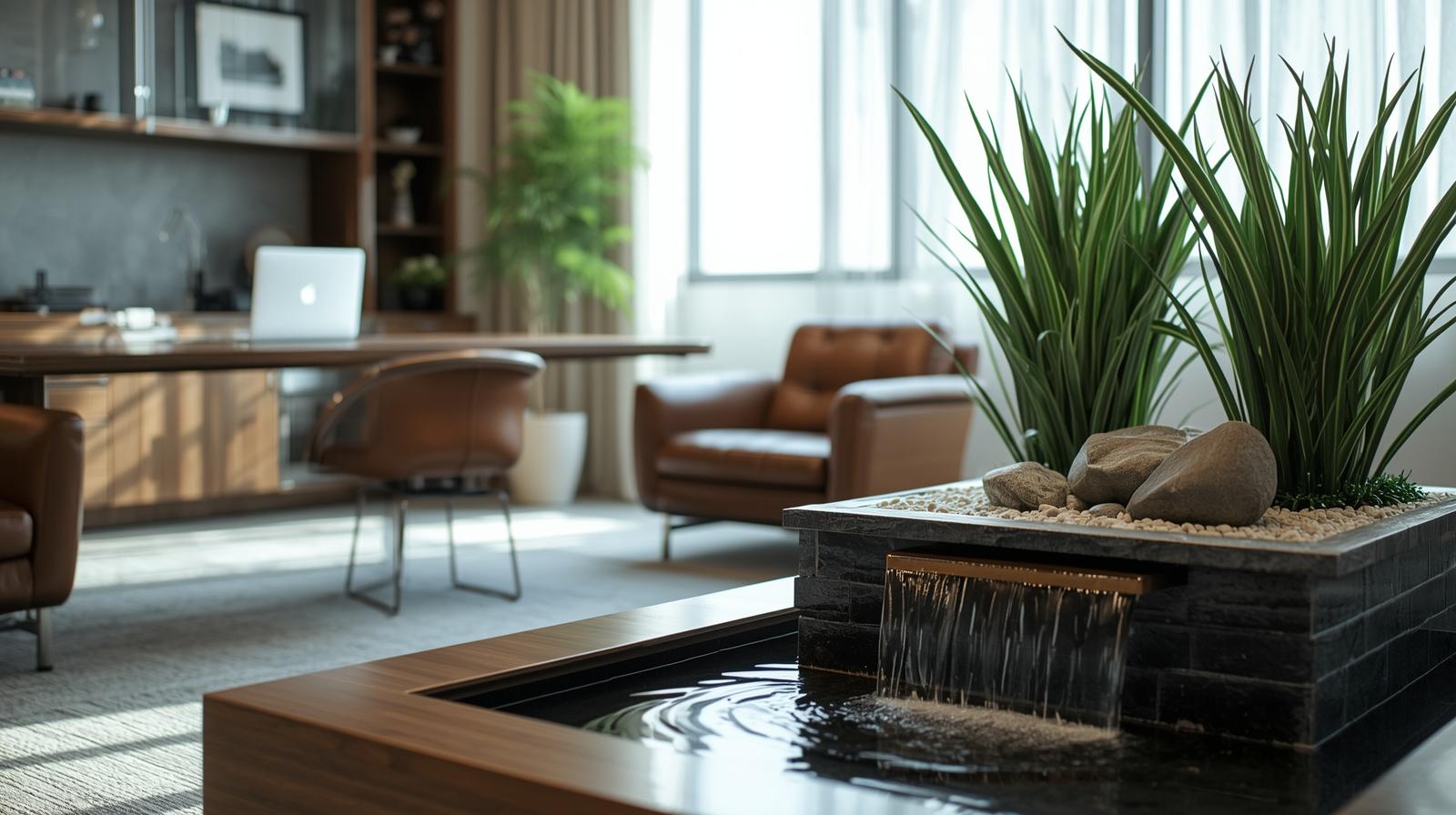
 Incorporate
Water
Features
Into
Workspaces:
Some
organizations
are
beginning
to
intentionally
design
calmer
environments
using
natural
elements.
Indoor
fountains,
water
walls,
aquariums,
and
wellness
rooms
with
calming
sensory
features
can
create
a
more
restorative
atmosphere. The
sound
of
moving
water
may
help
soften
workplace
tension
and
create
moments
of
mental
decompression
throughout
the
day.
While
these
additions
may
seem
small,
environmental
psychology
shows
that
physical
surroundings
significantly
influence
mood,
stress,
and
cognitive
performance.
Incorporate
Water
Features
Into
Workspaces:
Some
organizations
are
beginning
to
intentionally
design
calmer
environments
using
natural
elements.
Indoor
fountains,
water
walls,
aquariums,
and
wellness
rooms
with
calming
sensory
features
can
create
a
more
restorative
atmosphere. The
sound
of
moving
water
may
help
soften
workplace
tension
and
create
moments
of
mental
decompression
throughout
the
day.
While
these
additions
may
seem
small,
environmental
psychology
shows
that
physical
surroundings
significantly
influence
mood,
stress,
and
cognitive
performance.
Rethink Team Retreats and Offsite Meetings: Many organizations choose retreat locations based solely on convenience or entertainment value. But environment matters. Holding leadership retreats or strategic planning sessions near water may help encourage calmer thinking, deeper reflection, and stronger interpersonal connection. Many leaders notice that conversations become more open, creative, and collaborative in restorative environments compared to traditional conference rooms.
Normalize Recovery as Part of Performance: One of the healthiest cultural shifts organizations can make is recognizing that recovery improves performance rather than weakens it. Employees should not feel guilty for taking breaks, walking outside, or stepping away briefly to regulate stress. Mental recovery helps the brain return to higher functioning.
High-performing cultures cannot exist without sustainable recovery practices.
Blue Spaces Are Not a Replacement for Mental Health Care
It is important to emphasize that spending time near water is not a substitute for professional mental health support, therapy, or medical care. However, blue spaces can be a valuable addition to an overall wellness strategy. They offer a practical, accessible, and low-cost way to support stress management and emotional wellbeing for many individuals.
For organizations, this is an opportunity to think more broadly about workplace wellness; not simply as benefits programs, but as creating environments and habits that help people regulate stress more effectively.
The Bigger Lesson for Workplace Wellness
Perhaps the most important takeaway from blue space research is this: humans function better when they remain connected to natural environments. Modern work culture often pulls people further away from the rhythms that help regulate the nervous system. We spend more time staring at screens, sitting indoors, multitasking, and operating at a relentless pace.
But
the
brain
still
responds
powerfully
to
simple,
natural
experiences: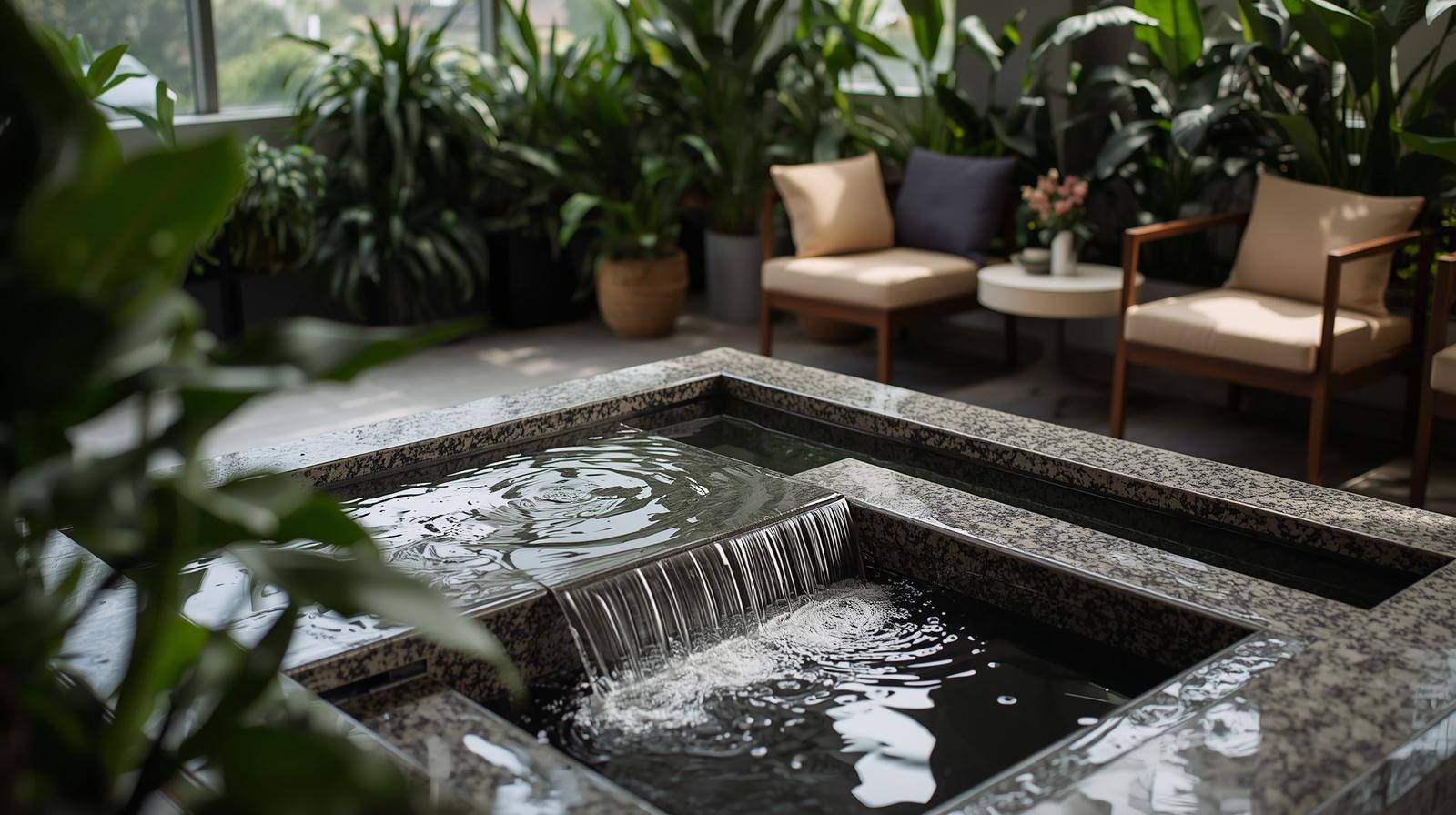
- Fresh air
- Sunlight
- Green spaces
- Water sounds
- Movement
- Quiet moments without digital interruption
These are not distractions from productivity. In many cases, they help restore the mental and emotional capacity that productivity depends on.
A Simple Challenge for Leaders This Month
During Mental Health Awareness Month, consider taking a small but intentional step toward recovery and restoration.
Schedule
a
walking
meeting
near
water.
Take
a
lunch
break
outside
instead
of
at
your
desk.
Spend
a
weekend
afternoon
at
a
lake
or
beach
without
checking
email.
Add
calming
natural
elements
to
your
workspace.
Encourage
your
team
to
step
away
and
reset
throughout
the
day.
Small moments of restoration can have a meaningful impact over time. In a culture that often rewards constant busyness, creating space for calm may be one of the healthiest leadership decisions we can make; for ourselves and for the people we lead.
