


Leadership Development Beyond the Boardroom
In today's workplace, leaders face unprecedented demands on their attention, energy, and decision-making abilities.
Between managing teams, navigating change, responding to constant communication, and driving organizational performance, many leaders spend their days operating at full cognitive capacity. Yet while organizations invest heavily in leadership training, strategic planning, and professional development, one critical component of leadership effectiveness is often overlooked: The health and resilience of the brain itself.
Every leadership skill (from communication and emotional intelligence to innovation and strategic thinking) depends on cognitive function. When the brain is fatigued, stressed, or overwhelmed, performance suffers. When the brain is healthy, adaptable, and engaged, leaders are better equipped to think clearly, solve problems, and inspire those around them.
Fortunately, strengthening the brain doesn't always require another workshop or certification. Some of the most effective ways to support cognitive performance happen outside the workplace through activities many people already enjoy.
The hobbies we pursue during our personal time can play a significant role in supporting the mental, emotional, and cognitive resources that effective leadership requires.
Brain Health Is a Workplace Wellness Issue
 For
years,
workplace
wellness
initiatives
focused
primarily
on
physical
health.
More
recently,
organizations
have
expanded
those
efforts
to
include
mental
health,
stress
management,
and
emotional
well-being.
For
years,
workplace
wellness
initiatives
focused
primarily
on
physical
health.
More
recently,
organizations
have
expanded
those
efforts
to
include
mental
health,
stress
management,
and
emotional
well-being.
Today, a growing body of research points to another important area of focus: cognitive wellness.
Cognitive wellness refers to the ability to think clearly, learn effectively, solve problems, adapt to change, and maintain mental sharpness over time. These capabilities are foundational to leadership performance.
Consider the demands placed on leaders every day:
- Making complex decisions with incomplete information
- Managing competing priorities
- Navigating uncertainty and change
- Supporting team members through challenges
- Communicating effectively across diverse groups
- Maintaining focus amid constant distractions
These responsibilities place significant demands on the brain.
When leaders prioritize activities that support cognitive health, they are not simply investing in a hobby; they are investing in their ability to lead effectively.
The Science of a Stronger Brain
The brain possesses an extraordinary ability known as neuroplasticity, which allows it to form new neural pathways throughout life.
 Every
time
we
learn
a
new
skill,
practice
a
challenging
activity,
solve
a
problem,
or
engage
in
meaningful
experiences,
the
brain
adapts.
These
adaptations
help
strengthen
cognitive
abilities
such
as
memory,
attention,
learning,
creativity,
and
emotional
regulation.
Every
time
we
learn
a
new
skill,
practice
a
challenging
activity,
solve
a
problem,
or
engage
in
meaningful
experiences,
the
brain
adapts.
These
adaptations
help
strengthen
cognitive
abilities
such
as
memory,
attention,
learning,
creativity,
and
emotional
regulation.
The most beneficial activities tend to challenge the brain in different ways by combining learning, movement, social interaction, creativity, and problem-solving.
This is where hobbies become surprisingly powerful.
Seven Hobbies That Support Leadership Performance
1. Learning a Musical Instrument
- Learning an instrument requires concentration, coordination, memory, and persistence.
- The process challenges multiple areas of the brain simultaneously, encouraging the development of new neural connections.
- For leaders, these benefits can translate into improved cognitive flexibility; the ability to shift perspectives, adapt to changing situations, and approach problems creatively.
- In an era where adaptability has become a leadership necessity, activities that strengthen mental agility are particularly valuable.
2. Strength Training
- Strength training supports far more than physical fitness.
- Research suggests that resistance exercise can enhance executive functioning, which includes planning, organization, self-control, and decision-making. These skills are essential for effective leadership.
- Strength training can also help manage stress, improve energy levels, and enhance mood, all of which influence workplace performance.
- Leaders who prioritize their physical health often find that their mental clarity improves as well.
3.
Reading
Fiction
- Business books may build professional knowledge, but fiction develops a different set of leadership skills.
- When reading stories, the brain works to understand characters, motivations, emotions, and perspectives. This process helps strengthen empathy and emotional intelligence.
- Strong leaders understand that success is not only about strategy and execution. It's also about understanding people.
- Reading fiction provides a simple but powerful way to exercise the social and emotional skills that contribute to effective leadership.
4. Joining a Sports Club
- One challenge many leaders face is social isolation.
- As careers advance, opportunities for authentic connection can become more limited. Yet meaningful social interaction remains one of the most important contributors to well-being.
- Sports clubs combine physical activity with teamwork, communication, and social engagement.
- Whether it's pickleball, golf, cycling, softball, or a recreational league, these activities help build relationships while reducing stress and supporting overall brain health.
- Organizations seeking to create healthier workplace cultures should recognize the value of connection both inside and outside the office.
5. Dance
- Leadership often requires balancing multiple streams of information while adapting to changing circumstances.
- Dance provides a surprisingly effective way to exercise similar cognitive skills.
- Learning routines requires attention, memory, coordination, timing, and adaptability. It challenges both the brain and body while offering an enjoyable outlet for stress reduction.
- Additionally, activities that incorporate enjoyment and play can help counteract the chronic stress that many professionals experience.
6.
Chess
and
Strategy
Games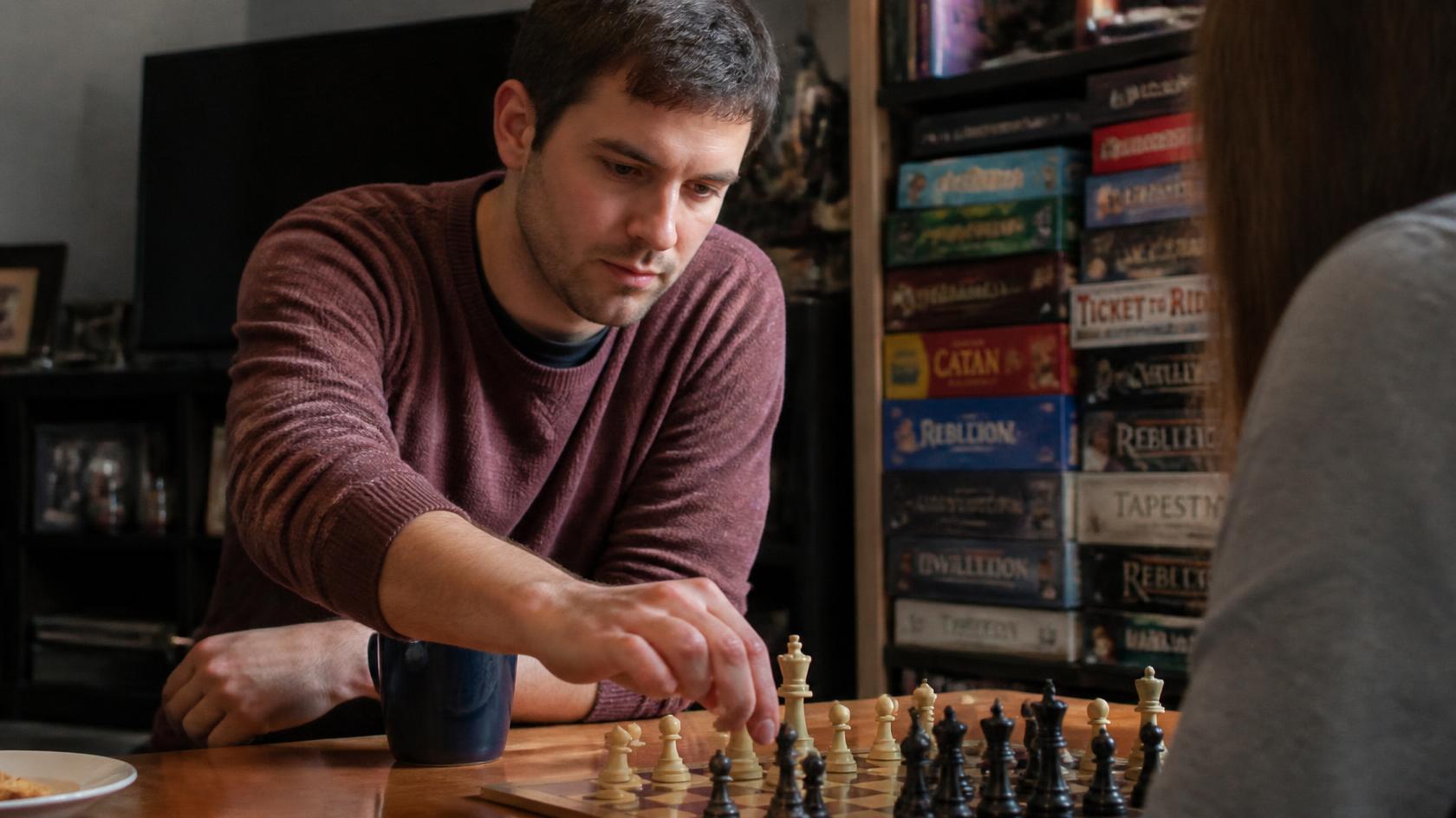
- Leadership and strategy go hand in hand.
- Games like chess challenge players to think ahead, evaluate options, assess risks, and anticipate consequences.
- These same mental processes support strategic decision-making in the workplace.
- While strategy games may not mirror real-world leadership challenges exactly, they provide opportunities to continually exercise critical thinking and problem-solving skills.
7. Gardening
- Leadership today often involves constant stimulation and digital engagement.
- Gardening offers something increasingly rare: restoration.
- Spending time outdoors encourages mindfulness, observation, patience, and focused attention. It provides an opportunity to disconnect from screens and reconnect with the present moment.
- Many leaders discover that some of their clearest thinking happens away from their desks.
- Gardening serves as a reminder that recovery is not a break from performance; it is part of performance.
What Organizations Can Learn
Many companies invest heavily in leadership development programs while overlooking the importance of supporting cognitive health. The reality is that leadership performance is influenced by more than technical expertise or business acumen.
It is shaped by:
- Cognitive capacity
- Emotional resilience
- Stress management
- Physical health
- Social connection
- Lifelong learning
Workplace wellness initiatives that encourage employees and leaders to engage in meaningful activities outside of work can contribute to healthier, more resilient organizations.
When people have opportunities to restore, learn, connect, and grow, they bring more energy and creativity back to the workplace.
Sustainable Leadership Requires Renewal
One of the greatest misconceptions about leadership is that success comes from constantly doing more.
In reality, sustainable high performance depends on balancing effort with renewal.
The most effective leaders recognize that taking care of their brains is not selfish or indulgent. It is a responsibility.
The quality of a leader's thinking influences every decision, conversation, and strategy that follows.
By investing time in activities that challenge the mind, strengthen the body, foster connection, and reduce stress, leaders create the conditions for better performance both professionally and personally.
Final Thought
Leadership development doesn't end when the workday is over. In many ways, it continues through the experiences that help keep the brain healthy, engaged, and adaptable.
Whether it's learning an instrument, reading a novel, joining a sports league, playing chess, or spending time in the garden, these activities do more than fill our free time. They help strengthen the cognitive and emotional foundations that effective leadership requires.
The question isn't whether leaders have time for hobbies. The question may be whether they can afford not to.
