


How Fall Nutrition Can Support Workplace Performance
As the seasons change, many organizations enter one of the busiest times of the year. Strategic planning meetings, year-end goals, budget discussions, performance reviews, and increased workloads can place significant demands on leaders and employees alike.
During these periods of heightened responsibility, organizations often focus on improving performance through training, technology, communication strategies, and workflow improvements. While these initiatives are valuable, there is another important factor that influences workplace performance every day: brain health.
Every decision a leader makes, every problem an employee solves, every conversation that shapes workplace culture, and every innovative idea generated within an organization begins in the brain.
The ability to focus, communicate effectively, regulate emotions, make sound decisions, solve problems, and adapt to change depends on healthy brain function. Yet many professionals overlook one of the most accessible ways to support cognitive performance: nutrition.
While no single food can transform brain function overnight, consistent nutritional choices can provide the brain with nutrients it needs to perform at its best. Fall offers an abundance of foods that support both overall health and brain health, making it an ideal season to incorporate nutrient-rich options into workplace wellness efforts.
Here are four brain-boosting fall foods that leaders and professionals may want to add to their routines this season.
Why Nutrition Matters for Workplace Performance
The brain accounts for only about 2% of body weight, yet it consumes roughly 20% of the body's energy. Throughout the workday, the brain is constantly processing information, making decisions, regulating emotions, managing stress, recalling information, and coordinating communication.
When employees and leaders experience mental fatigue, productivity often declines. Focus becomes more difficult, memory lapses become more common, and problem-solving can require more effort. While many factors contribute to cognitive performance (including sleep, stress management, physical activity, and social connection) nutrition remains a foundational component of brain health.
Providing the brain with essential nutrients helps support the biological systems responsible for attention, learning, memory, and emotional regulation.
Brussels Sprouts: Supporting Cognitive Resilience

Brussels sprouts may not always be the most popular vegetable on the dinner table, but they offer impressive nutritional benefits for brain health.
These cruciferous vegetables contain antioxidants that help protect cells from oxidative stress. Over time, oxidative stress can contribute to cellular damage throughout the body, including within the brain. Brussels sprouts are also a source of vitamin K, a nutrient associated with healthy cognitive function. Additionally, they provide dietary fiber, which supports gut health.
The relationship between the gut and the brain continues to receive significant attention from researchers. The gut-brain connection influences numerous processes related to mood, cognition, and overall well-being. A healthy digestive system may contribute to healthier brain function through various biological pathways.
Workplace Wellness Application:
Organizations increasingly recognize that employee well-being extends beyond traditional health measures. Supporting healthy nutrition habits can be one component of a comprehensive workplace wellness strategy. Leaders can encourage healthier choices by providing nutritious options during meetings, educational wellness resources, or workplace wellness challenges focused on healthy eating habits.
Ways to Enjoy Brussels Sprouts
- Roasted with olive oil and garlic
- Added to meal-prep lunches
- Included in sheet-pan dinners
- Shredded into salads
- Combined with lean proteins and whole grains
Pears: Supporting Stable Energy and Mental Focus

Many professionals experience afternoon energy crashes that can affect concentration, productivity, and engagement.
Pears provide dietary fiber, antioxidants, and vitamin C. Fiber-rich foods help support more stable blood sugar levels compared to highly processed foods that can lead to spikes and crashes in energy.
Maintaining more consistent energy levels can help support concentration during meetings, project work, strategic thinking, and other mentally demanding activities.
For leaders, sustained mental energy is especially important. Leadership responsibilities often require prolonged periods of attention, decision-making, and interpersonal communication.
Workplace Wellness Application:
Organizations frequently focus on physical energy and productivity, but mental energy is equally important. Supporting employees in making healthier food choices can contribute to better engagement, concentration, and overall well-being.
Ways to Enjoy Pears
- Paired with nuts for a balanced snack
- Added to salads
- Mixed into yogurt or oatmeal
- Served with cheese
- Roasted with cinnamon for a seasonal dessert
Walnuts: Fueling Brain Function and Cognitive Performance
.jpg)
Walnuts are among the most studied foods when it comes to brain health.
They contain plant-based omega-3 fatty acids, antioxidants, and polyphenols that help support healthy brain function. Omega-3 fatty acids contribute to the structure of brain cell membranes and help facilitate communication between neurons.
These processes are critical for learning, memory, information processing, and cognitive performance.
For leaders and professionals, the ability to learn new information, adapt to changing circumstances, and make informed decisions is essential for success. Consistently incorporating nutrient-dense foods such as walnuts can support long-term brain health and cognitive resilience.
Workplace Wellness Application:
Organizations that invest in employee development often focus on skills training and professional growth. Supporting brain health complements these efforts by helping employees maintain the cognitive resources necessary for learning and performance.
Ways to Enjoy Walnuts
- Kept at a desk for healthy snacking
- Added to salads
- Sprinkled on oatmeal or yogurt
- Mixed into trail mix
- Blended into smoothies
Beets: Supporting Blood Flow and Cognitive Function
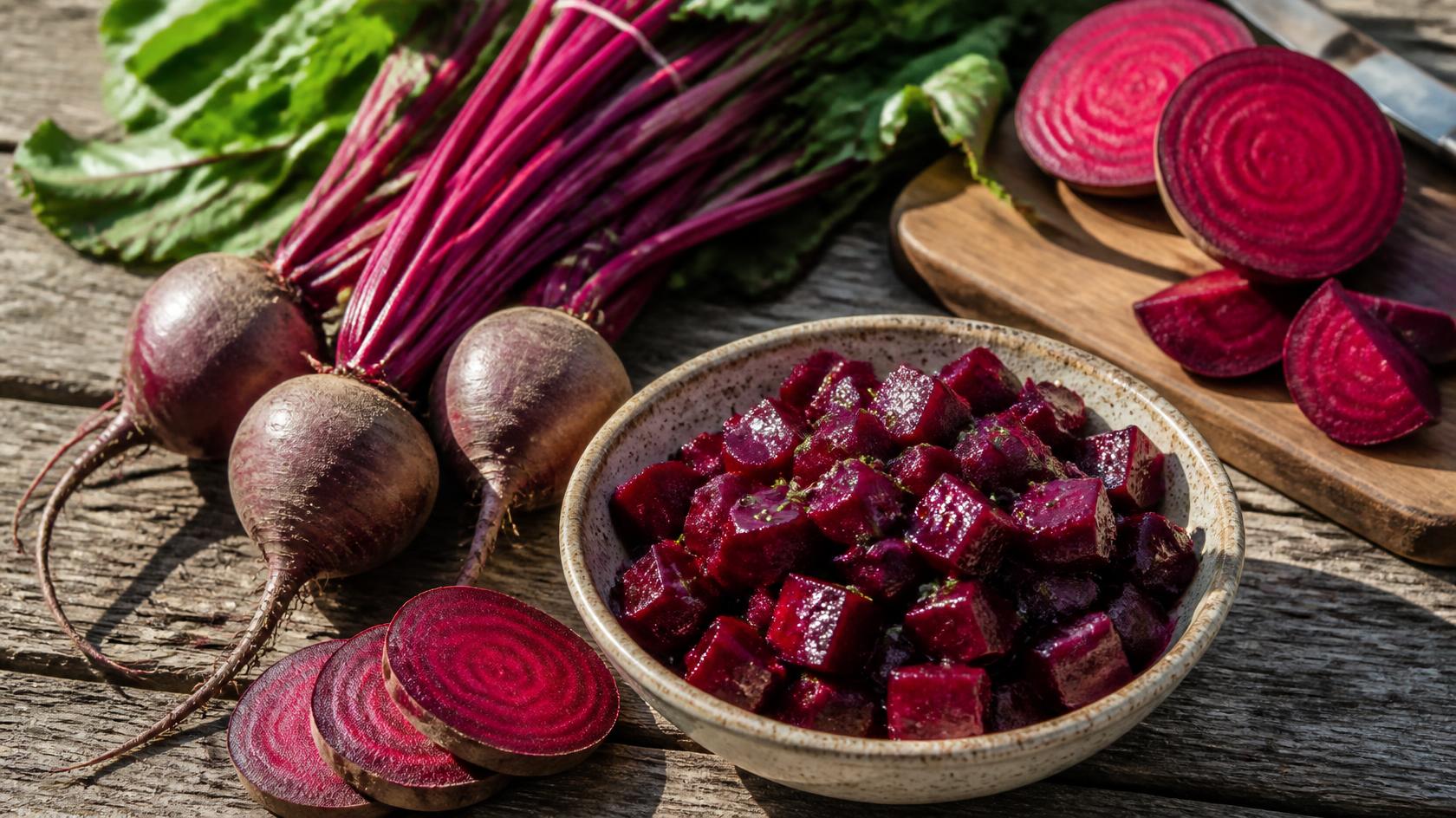
The brain requires a constant supply of oxygen and nutrients to function efficiently. Beets contain naturally occurring nitrates that the body converts into nitric oxide. Nitric oxide helps support healthy blood flow throughout the body, including circulation to the brain. Healthy blood flow helps deliver oxygen and nutrients that support cognitive function and overall brain performance.
For professionals who spend much of their day engaged in complex thinking, healthy circulation supports the biological processes that enable focus, concentration, and productivity.
Workplace Wellness Application:
Workplace wellness initiatives often focus on movement, exercise, and cardiovascular health. Nutrition can complement these efforts by supporting the body's circulatory system and overall brain health.
Ways to Enjoy Beets
- Added to salads
- Roasted as a side dish
- Included in grain bowls
- Blended into smoothies
- Combined with other roasted vegetables
Creating a Brain-Healthy Workplace Culture
Brain health is not determined by a single meal or one healthy choice. It is built through consistent habits practiced over time. Organizations that prioritize workplace wellness increasingly recognize the connection between employee health and organizational performance. Supporting brain health can influence focus, decision-making, communication, creativity, resilience, and overall workplace effectiveness.
Leaders play an important role in shaping workplace culture. When leaders model healthy behaviors, encourage wellness initiatives, and recognize the importance of employee well-being, they help create environments where individuals can perform at their best. Nutrition is only one piece of the brain health puzzle. Adequate sleep, stress management, physical activity, social connection, and lifelong learning all contribute to cognitive performance. However, nutrition remains one of the most accessible tools available to individuals and organizations seeking to support brain health.
The Bottom Line
Workplace performance ultimately depends on the health and function of the human brain. This fall, consider looking beyond seasonal flavors and viewing food through the lens of cognitive performance and workplace wellness. Brussels sprouts, pears, walnuts, and beets each provide nutrients that support brain health while offering practical, enjoyable ways to enhance everyday meals.
Small choices made consistently can contribute to healthier brains, stronger leaders, more engaged employees, and more resilient organizations. Because when organizations invest in brain health, they invest in the foundation of every decision, conversation, innovation, and achievement that follows.
