


Eat Smart This Summer: Brain-Boosting Foods in Season Right Now
Summer brings longer days, warmer weather, and an abundance of fresh produce. While many people think about seasonal eating as a way to support physical health, it can also play an important role in brain function, mental clarity, and emotional well-being.
The brain is one of the most energy-demanding organs in the body, using approximately 20% of the calories we consume. To perform at its best, it relies on a steady supply of nutrients that support neurotransmitter production, reduce inflammation, protect neurons from damage, and enhance communication between brain cells.
For leaders, professionals, and anyone navigating a busy schedule, nutrition can be an often-overlooked tool for improving focus, decision-making, resilience, and productivity. The good news? Some of the best brain-supporting foods are in season right now.
Here are four summer foods that can help nourish your brain while adding fresh flavor to your meals.
1. Blueberries: Nature's Brain Berry
Blueberries are often referred to as a "superfood," and for good reason. These small berries are packed with antioxidants called anthocyanins, which give them their deep blue color and provide powerful protection against oxidative stress.
Oxidative
stress
occurs
when
free
radicals
damage
cells,
including
brain
cells.
Over
time,
this
damage
can
contribute
to
cognitive
decline
and
age-related
changes
in
brain
function.
Antioxidants
help
neutralize
these
free
radicals,
protecting
the
brain
from
unnecessary
wear
and
tear.
Research has shown that regular blueberry consumption may support:
- Improved memory
- Enhanced learning ability
- Better cognitive processing
- Reduced inflammation
- Healthy aging of the brain
Some studies suggest that the compounds found in blueberries may improve communication between brain cells and promote neuroplasticity—the brain's ability to adapt, learn, and form new connections.
For professionals, this translates into improved mental agility and the ability to absorb and apply new information more effectively.
Easy Ways to Enjoy Blueberries
- Add them to yogurt or oatmeal.
- Blend them into a morning smoothie.
- Toss them into a summer salad.
- Enjoy them as a quick afternoon snack instead of processed sweets.
2. Cherries: A Sweet Support for Sleep and Recovery
Summer cherries are more than just a delicious seasonal treat. They contain a variety of nutrients that support both brain health and emotional well-being.
One
of
the
most
unique
benefits
of
cherries
is
their
natural
melatonin
content.
Melatonin
is
a
hormone
that
helps
regulate
sleep-wake
cycles,
and
quality
sleep
is
essential
for
cognitive
performance.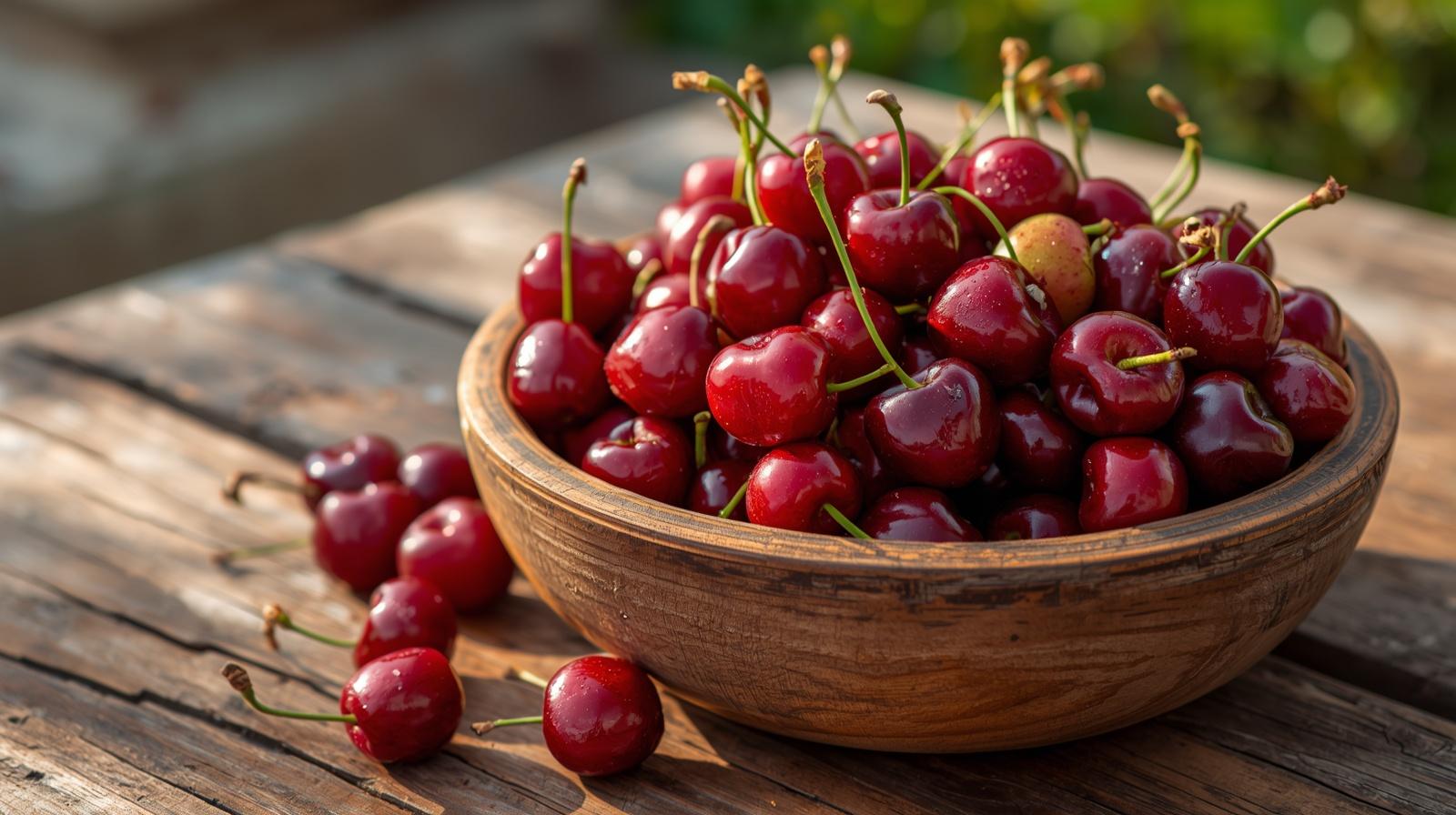
During sleep, the brain:
- Consolidates memories
- Clears metabolic waste
- Processes information
- Restores neural pathways
- Supports emotional regulation
When sleep suffers, concentration, creativity, decision-making, and stress management often decline.
In addition to melatonin, cherries contain antioxidants and anti-inflammatory compounds that may help reduce oxidative stress throughout the body and brain.
For leaders and high-performing professionals, quality sleep is one of the most powerful tools for maintaining resilience and avoiding cognitive fatigue. Incorporating cherries into your summer diet may provide a small but meaningful boost to your overall recovery and brain function.
Easy Ways to Enjoy Cherries
- Eat them fresh as a snack.
- Add them to salads with nuts and goat cheese.
- Blend them into smoothies.
- Freeze them for a refreshing summer treat.
3. Tomatoes: Fuel for Cognitive Protection
Although many people think of tomatoes as a vegetable, they are technically a fruit, and summer is when they are at their peak.
Tomatoes
are
rich
in
lycopene,
a
powerful
antioxidant
that
has
been
studied
for
its
potential
role
in
protecting
brain
cells
from
oxidative
damage.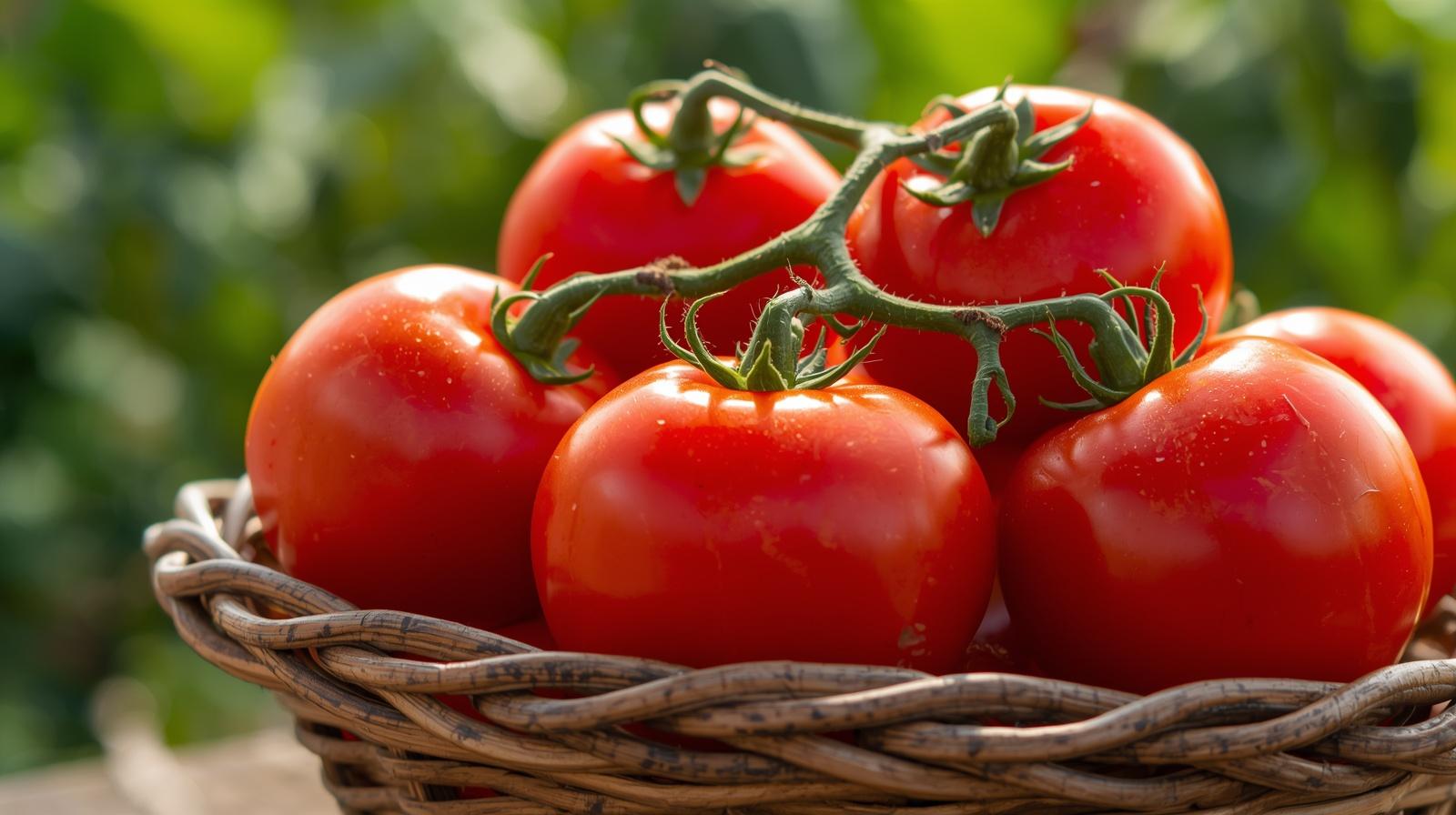
Lycopene may help:
- Reduce inflammation
- Support healthy blood flow
- Protect neurons
- Promote long-term cognitive health
Healthy blood flow is particularly important because the brain depends on a constant supply of oxygen and nutrients. Even slight reductions in circulation can impact concentration, memory, and mental performance.
Tomatoes also provide vitamin C, potassium, and other nutrients that contribute to overall cardiovascular health. Since what supports the heart often supports the brain, tomatoes offer a dual benefit for both physical and cognitive wellness.
Easy Ways to Enjoy Tomatoes
- Slice fresh tomatoes with basil and mozzarella.
- Add them to sandwiches and wraps.
- Use them in homemade salsa.
- Roast them with olive oil and herbs.
4. Peaches: Supporting Brain Energy and Cellular Health
Few foods capture the flavor of summer quite like a ripe peach.
Beyond their sweet taste, peaches provide vitamins A, C, and E, along with antioxidants that help protect cells from oxidative stress. These nutrients contribute to healthy brain function by supporting cellular integrity and reducing inflammation.
Peaches
also
contain
natural
carbohydrates
that
provide
a
steady
source
of
energy
for
the
brain.
Unlike
highly
processed
sugary
snacks
that
can
contribute
to
energy
crashes,
whole
fruits
deliver
fiber
alongside
natural
sugars,
helping
create
a
more
stable
energy
response.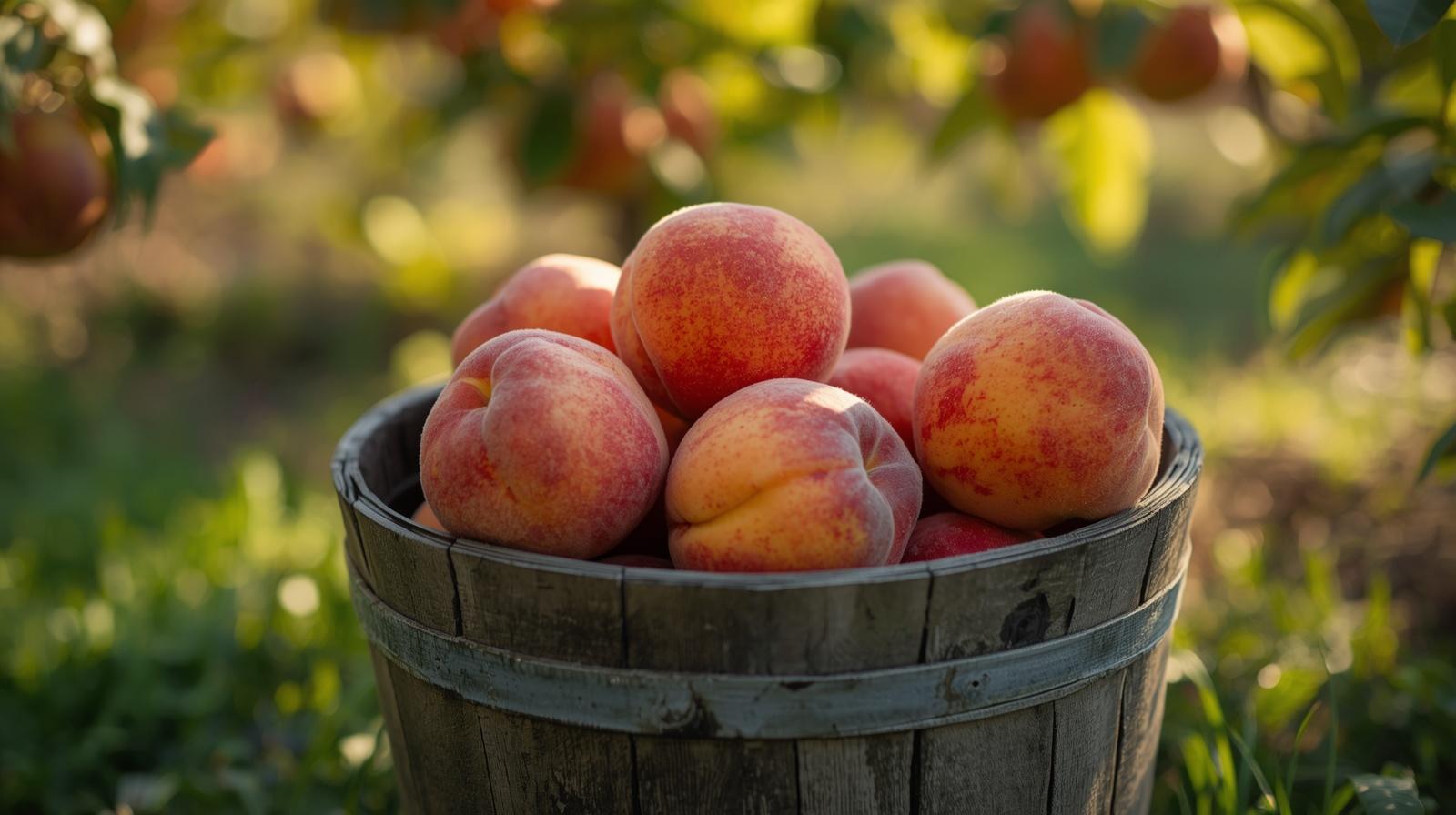
Maintaining consistent energy levels is important for:
- Sustained attention
- Mental endurance
- Problem-solving
- Emotional regulation
- Workplace productivity
When employees and leaders experience dramatic fluctuations in blood sugar and energy, focus and performance often suffer. Nutrient-dense foods like peaches can help support steadier cognitive function throughout the day.
Easy Ways to Enjoy Peaches
- Add slices to salads.
- Grill them for a healthy dessert.
- Blend into smoothies.
- Pair with cottage cheese or Greek yogurt.
Why Seasonal Eating Matters for the Brain
Seasonal foods often provide peak nutritional value because they are harvested closer to ripeness and spend less time in storage or transit. They also encourage dietary variety, which helps ensure a broader intake of vitamins, minerals, antioxidants, and phytonutrients.
From a workplace wellness perspective, encouraging seasonal nutrition can be a practical strategy for supporting employee health, cognitive performance, and overall well-being.
Small nutritional choices made consistently can influence:
- Focus and attention
- Memory and learning
- Stress resilience
- Mood regulation
- Energy levels
- Long-term brain health
While no single food can transform cognitive performance overnight, a pattern of nutrient-rich eating can create meaningful benefits over time.
Final Thought
Summer offers more than sunshine and vacations, it provides an opportunity to nourish the brain with fresh, seasonal foods that support cognitive performance and mental wellness. Blueberries help protect memory and learning. Cherries support restorative sleep and recovery. Tomatoes provide antioxidants that protect brain cells. Peaches deliver nutrients and steady energy that help sustain focus throughout the day.
For leaders, teams, and individuals alike, brain health is not built through one major decision. It is shaped through the small choices we make every day, including what we put on our plates. This summer, consider adding a few more brain-friendly foods to your routine. Your brain may thank you with better focus, greater resilience, and improved mental clarity throughout the season.
