


Brain-Smart Winter Foods for Mental Clarity and Resilience
Winter doesn’t just affect the environment; it affects how the brain operates. Shorter daylight hours, reduced sunlight exposure, and colder temperatures can quietly influence mood, energy, and cognitive efficiency. Many professionals experience subtle but meaningful shifts during this season: reduced focus, lower motivation, mental fatigue, or symptoms aligned with seasonal affective disorder (SAD).
For leaders responsible for decision-making, emotional regulation, and sustained performance, these changes matter. One of the most effective (and frequently underestimated) ways to support brain function during winter is through nutrition. Seasonal foods provide targeted nutrients that reduce inflammation, support neurotransmitter production, and help stabilize mood. When leaders fuel their brains strategically, they enhance resilience, clarity, and consistency under pressure.
Why Nutrition Becomes a Strategic Advantage in Winter
Winter introduces several neurological stressors: decreased vitamin D from limited sunlight, disrupted circadian rhythms, and increased inflammation linked to stress and reduced physical activity. Together, these factors can interfere with serotonin and dopamine, neurochemicals essential for motivation, focus, emotional balance, and cognitive drive.
The advantage is that nutrition can directly influence these systems. Certain winter-friendly foods support brain chemistry, protect neural pathways, and help maintain mental performance during a season that often demands more while offering fewer natural supports.
Winter Foods That Support Brain Function and Emotional Resilience
Below are key seasonal foods that offer meaningful benefits for cognitive performance and emotional regulation.
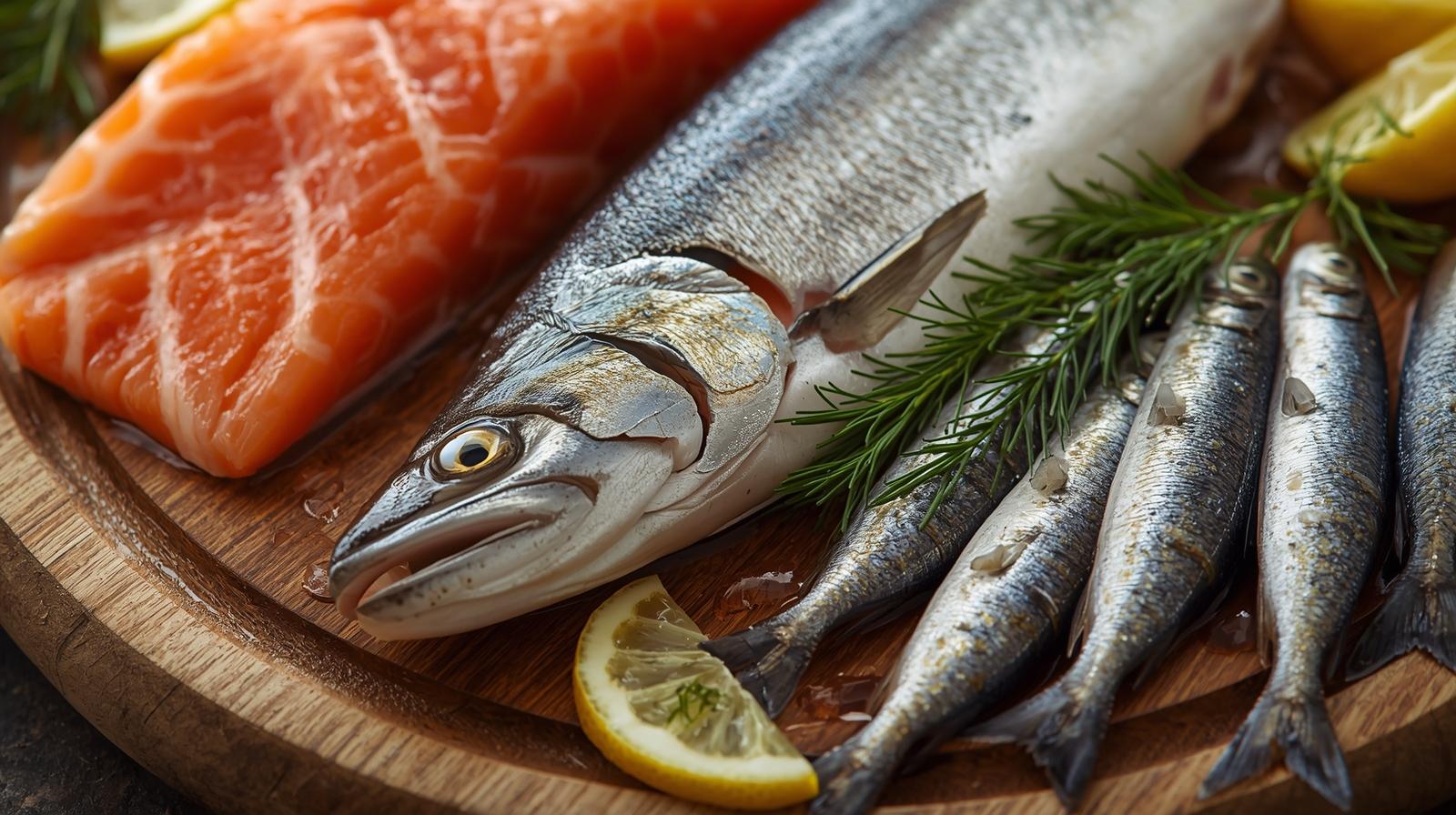 Fatty
Fish:
Salmon,
trout,
sardines
Fatty
Fish:
Salmon,
trout,
sardines
Fatty
fish
are
among
the
most
powerful
foods
for
brain
health,
particularly
during
winter.
They
are
rich
in
omega-3
fatty
acids,
which
support
brain
cell
structure
and
enhance
communication
between
neurons.
Omega-3s
are
associated
with
reduced
inflammation,
improved
cognitive
function,
and
more
stable
mood
regulation.
Regular
intake
has
also
been
linked
to
lower
rates
of
depression,
making
fatty
fish
a
practical
choice
for
leaders
navigating
high-demand
environments
during
darker
months.
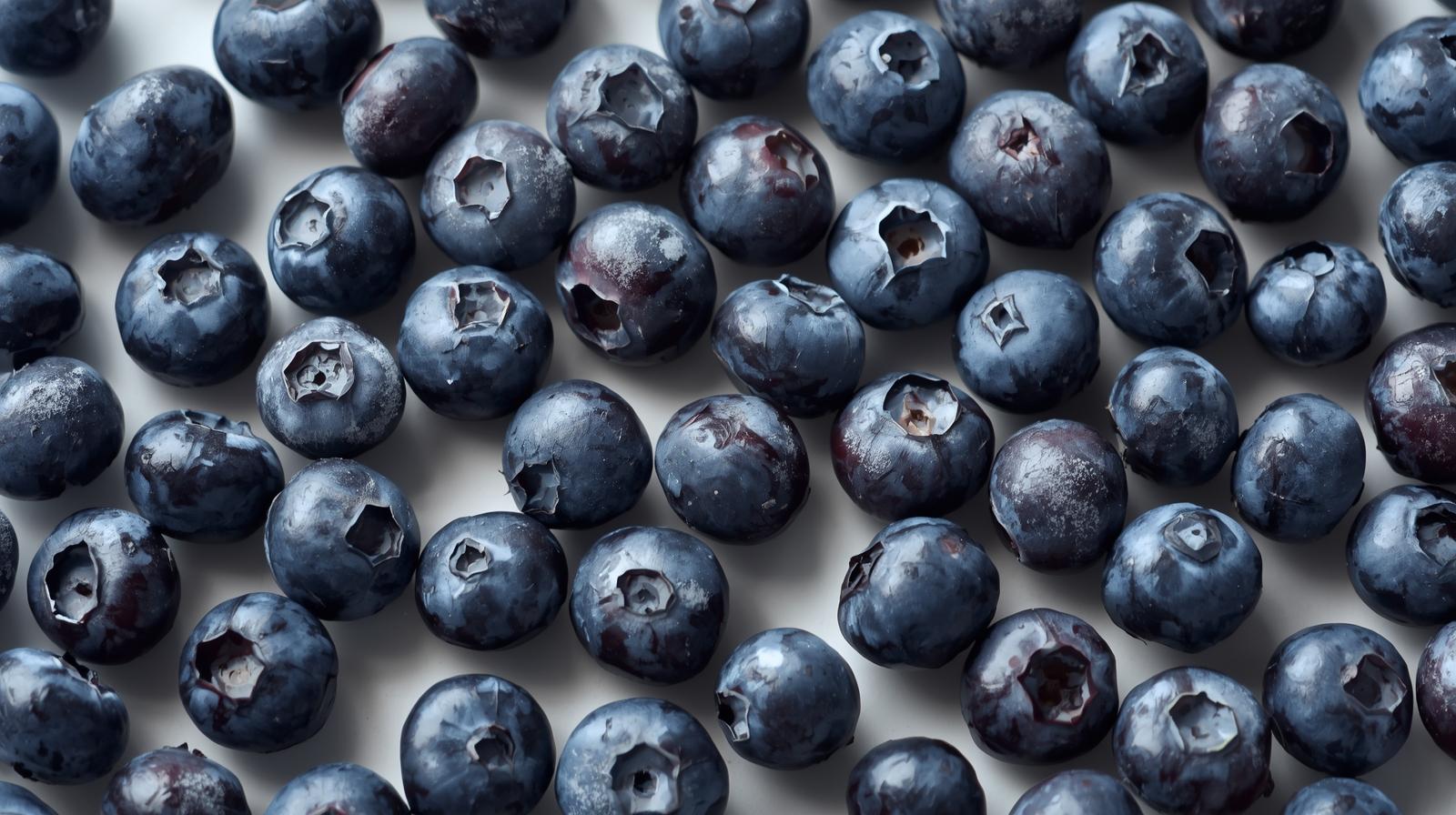 Berries:
Blueberries
Berries:
Blueberries
Blueberries
are
rich
in
anthocyanins,
antioxidants
that
protect
the
brain
from
oxidative
stress
and
inflammation.
These
compounds
support
memory,
learning,
and
neural
signaling,
key
functions
for
sustained
executive
performance.
By
reducing
stress-related
damage
in
the
brain,
berries
may
also
help
stabilize
mood
and
mental
energy.
Frozen
berries
remain
highly
nutritious
and
are
an
efficient
winter
option.
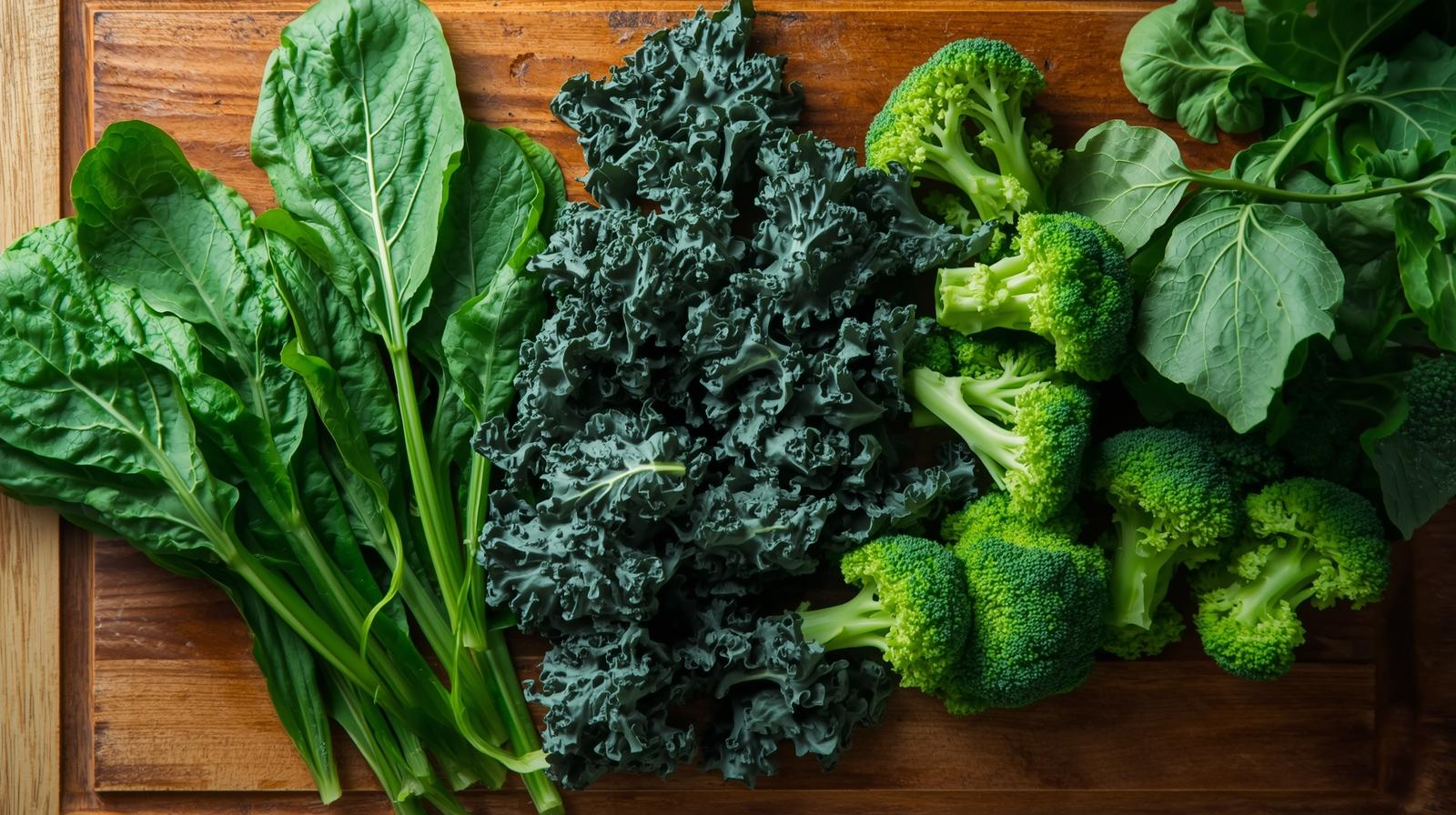 Leafy
Greens:
Spinach,
kale,
broccoli
Leafy
Greens:
Spinach,
kale,
broccoli
Leafy
greens
are
foundational
for
year-round
brain
health
and
become
especially
important
in
winter.
They
are
high
in
folate
and
magnesium,
both
critical
for
neurotransmitter
production
and
nervous
system
regulation.
Folate
supports
serotonin
and
dopamine
synthesis,
while
magnesium
helps
reduce
stress
reactivity
and
supports
emotional
control.
Regular
consumption
contributes
to
clearer
thinking,
improved
resilience,
and
steadier
leadership
presence.
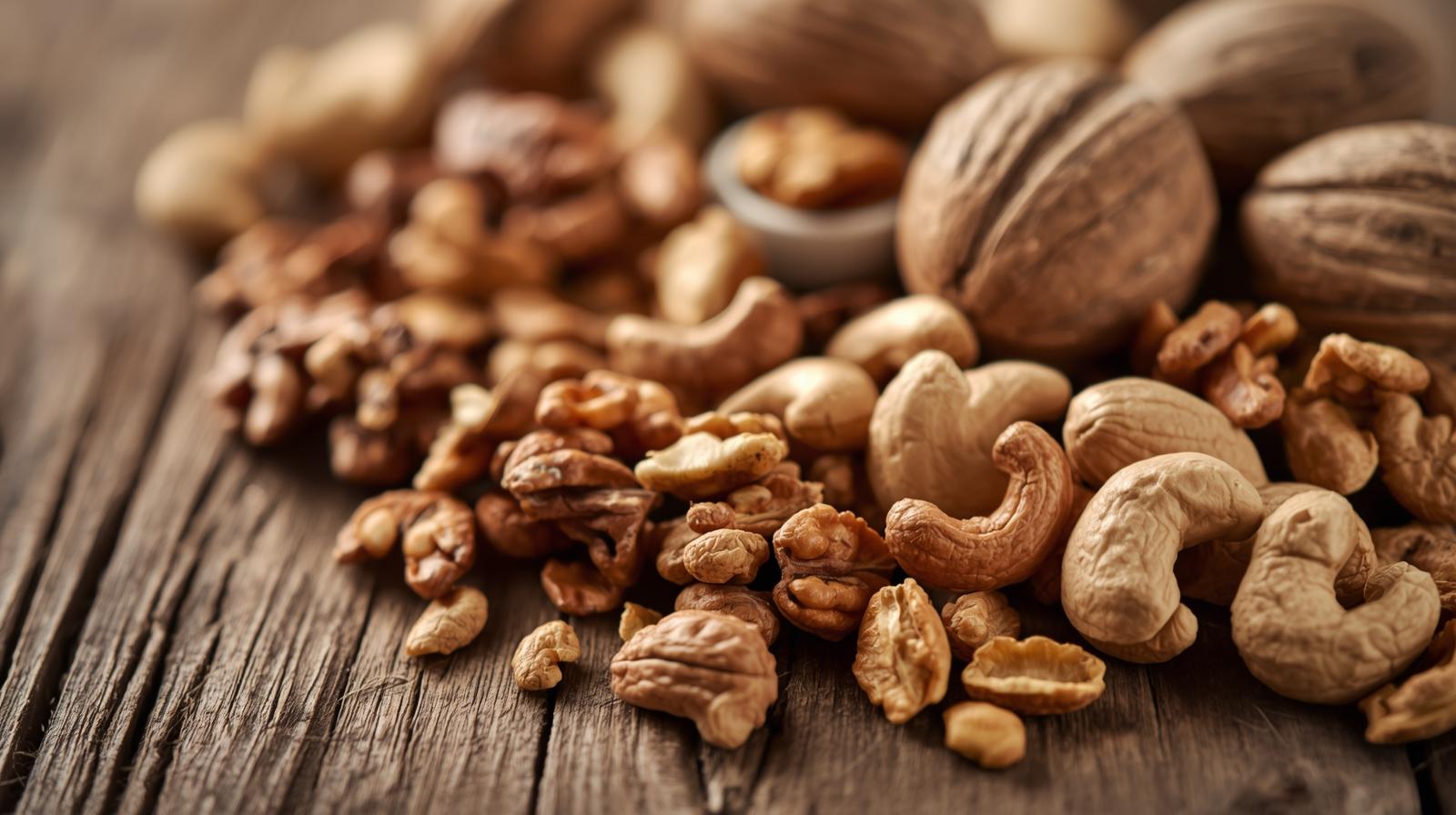 Nuts:
Walnuts,
cashews
Nuts:
Walnuts,
cashews
Nuts
provide
a
concentrated
source
of
healthy
fats,
protein,
and
brain-supportive
micronutrients.
Walnuts
offer
plant-based
omega-3s,
while
cashews
are
rich
in
magnesium
and
zinc,
minerals
tied
to
mood
regulation
and
cognitive
stability.
Vitamin
E,
found
in
many
nuts,
helps
protect
brain
cells
from
oxidative
damage.
Together,
these
nutrients
support
serotonin
activity
and
may
help
reduce
anxiety
and
depressive
symptoms
that
can
undermine
performance.
 Warming
Spices:
Turmeric,
cinnamon
Warming
Spices:
Turmeric,
cinnamon
Spices
offer
more
than
flavor,
they
provide
functional
neurological
benefits.
Turmeric
contains
curcumin,
a
potent
anti-inflammatory
compound
linked
to
improved
mood
and
enhanced
brain
plasticity,
which
supports
learning
and
adaptability.
Cinnamon
helps
regulate
blood
sugar
levels,
preventing
energy
fluctuations
that
impair
focus
and
decision-making.
Blood
sugar
stability
is
a
critical,
often
overlooked
factor
in
mental
clarity
and
emotional
regulation.
Practical Ways Leaders Can Integrate Brain-Supportive Foods
Optimizing brain health does not require a complete dietary overhaul. Consistency and intentionality are what matter most.
- Build performance-oriented meals: Include fatty fish several times per week, paired with leafy greens and complex carbohydrates.
- Optimize snacks and breakfast: Add berries to oatmeal, yogurt, or smoothies, and keep nuts readily available to support steady energy throughout the day.
- Cook with purpose: Use turmeric and cinnamon in soups, roasted vegetables, teas, or warm beverages to enhance both taste and cognitive benefits.
Winter Nutrition as a Leadership Tool
Winter places increased demands on cognitive endurance, emotional regulation, and decision-making capacity. Nutrition can either compound the strain or serve as a powerful stabilizer.
By prioritizing seasonal, nutrient-dense foods that support brain chemistry, leaders are not simply supporting physical health; they are reinforcing focus, resilience, and mental clarity. Think of winter nutrition as strategic brain care, the kind that allows you to lead with steadiness, presence, and strength, regardless of the season.
-Julie "Brain Lady" Anderson