


4 Spring Foods That Strengthen Leadership, Workplace Energy, and Team Well-Being
Spring is a season of renewal and in the workplace, it’s an opportunity to reset how your team feels, thinks, and performs. As a leader, you influence more than strategy and execution; you shape the environment your team operates in. That includes energy levels, focus, morale, and even how people connect with one another. One often-overlooked lever in workplace wellness is nutrition. Don’t have an employee wellness plan in place? Connect with us to create a customized strategy that supports your people and the future of your business.
The food available in your organization (whether in meetings, break rooms, or team events) directly impacts cognitive performance, mood, and collaboration. When people are fueled well, they think more clearly, communicate more effectively, and show up with greater resilience. Spring offers a natural advantage: fresh, nutrient-dense foods that support brain health and sustained energy. By intentionally incorporating a few seasonal staples into your workplace culture, you can elevate both individual performance and team dynamics.
Here are four spring foods that can help you lead a sharper, healthier, and more engaged team and why they matter.
1.
Asparagus:
Supporting
Focus
and
Mental
Clarity
Across
Your
Team
Asparagus is one of the first vegetables of spring and one of the most powerful for supporting brain chemistry.
Why it matters in the workplace:
Asparagus is rich in folate (vitamin B9), which plays a key role in producing neurotransmitters like dopamine and serotonin. These chemicals influence focus, motivation and mood, core drivers of workplace performance.
When folate levels are low, people may experience brain fog, reduced concentration, and mental fatigue. In a team setting, that can show up as slower execution, lack of engagement, or difficulty staying on task.
Folate also helps regulate homocysteine, which, when elevated, is linked to cognitive strain and long-term brain health risks.
Team impact:
- Improves clarity and attention during meetings
- Supports consistent energy throughout the workday
- Helps stabilize mood and reduce mental fatigue
How leaders can apply it:
Incorporate asparagus into catered lunches, team meals, or office snack options. Even small additions signal that wellness and performance are priorities.
2.
Strawberries:
Boosting
Memory,
Communication,
and
Mental
Agility
Strawberries are a seasonal favorite, but they’re also a powerful tool for supporting how your team processes and shares information.
Why it matters in the workplace:
Strawberries are packed with flavonoids, particularly anthocyanins, which support memory and cognitive processing. In fast-paced environments, where employees are constantly absorbing and recalling information, this is critical.
These compounds help improve communication between brain cells, leading to faster thinking and better recall, key ingredients for effective collaboration and problem-solving.
They’re also high in vitamin C, which helps reduce oxidative stress and mental fatigue, keeping your team sharper for longer periods.
Team impact:
- Enhances memory and recall in meetings and projects
- Improves responsiveness and decision-making speed
- Supports clearer, more effective communication
How leaders can apply it:
Offer fresh strawberries as a snack option in the office or include them in breakfasts for morning meetings. They’re simple, accessible, and widely enjoyed.
3.
Spinach:
Building
Cognitive
Resilience
and
Long-Term
Team
Performance
Spinach is one of the most nutrient-dense foods available and one of the most impactful for sustained brain health.
Why it matters in the workplace:
Spinach contains a powerful combination of nutrients, including vitamin K, lutein, folate, and beta carotene, all of which support cognitive function and protect against decline.
For teams, this isn’t just about long-term health, it’s about maintaining consistent performance over time. Cognitive fatigue, burnout, and decreased focus often build gradually. Nutrient-rich foods like spinach help counteract that trend.
Spinach also supports neuroplasticity, which is essential for learning, adapting, and navigating change, skills every modern team needs.
Team impact:
- Supports sustained focus during long work periods
- Enhances learning and adaptability
- Helps reduce the effects of cognitive fatigue and burnout
How leaders can apply it:
Include spinach in salads, wraps, or smoothies offered at work. It’s easy to integrate into meals without requiring major changes to habits.
4.
Salmon:
Fueling
Focus,
Emotional
Intelligence,
and
Collaboration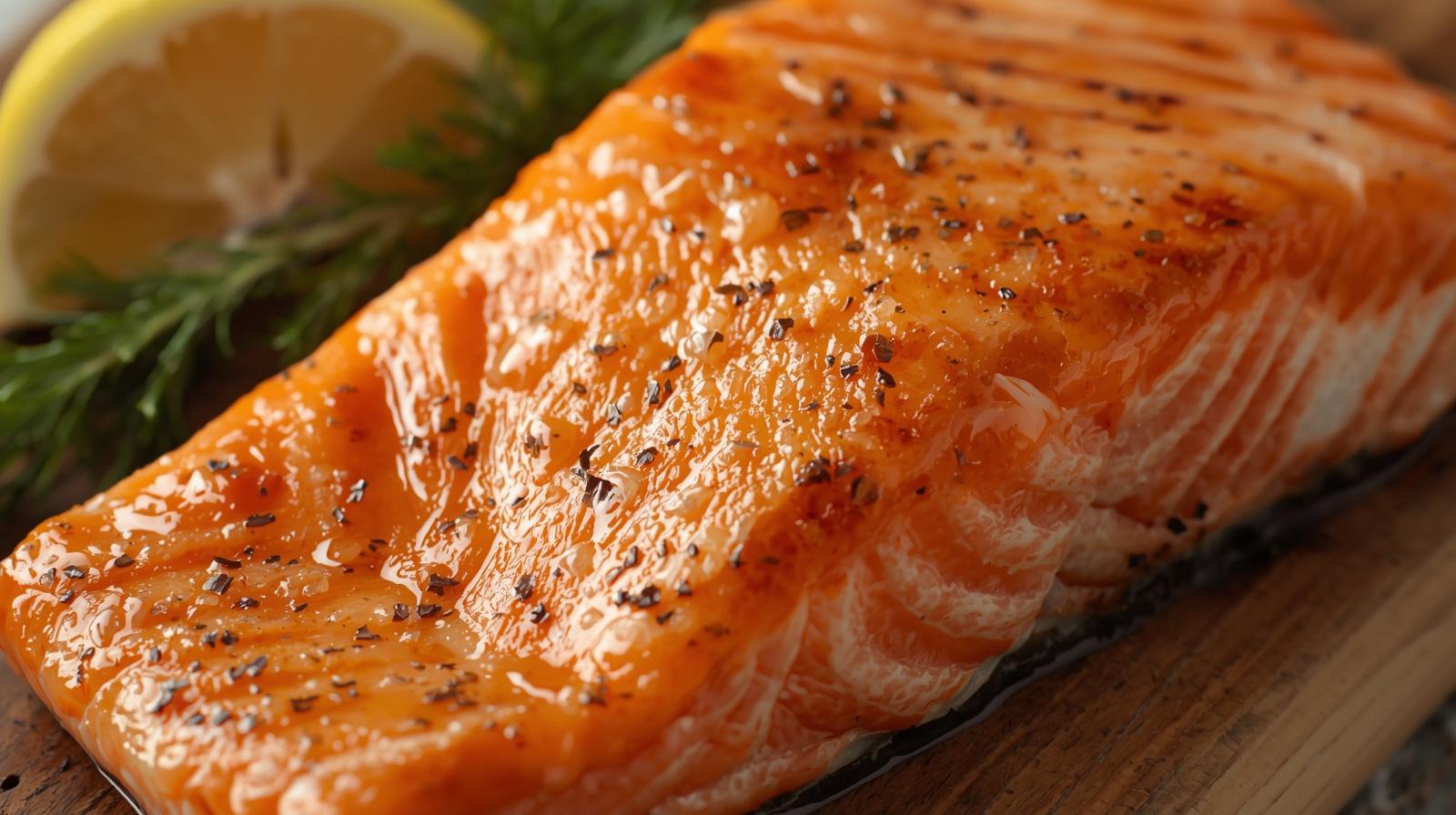
Salmon is one of the most effective foods for improving overall brain performance and its impact extends beyond individual focus to team dynamics.
Why it matters in the workplace:
Salmon is rich in omega-3 fatty acids, particularly DHA, which supports brain cell structure and communication. These nutrients are essential for focus, memory, and decision-making.
But equally important for leaders, omega-3s play a role in emotional regulation. They help reduce inflammation in the brain and support mood stability, which directly affects how people respond to stress, feedback, and interpersonal challenges.
In a team environment, this translates into better collaboration, more thoughtful communication, and fewer reactive interactions.
Team impact:
- Improves focus and strategic thinking
- Supports emotional control in high-pressure situations
- Enhances collaboration and interpersonal dynamics
How leaders can apply it:
Incorporate salmon into team lunches or wellness-focused events. It’s a strong signal that performance and well-being go hand in hand.
Creating a Culture of Performance Through Food
The goal isn’t to control what your team eats, it’s to create an environment that makes better choices easier and more accessible. Workplace wellness doesn’t have to be complex or expensive. Small, consistent signals often have the greatest impact. When leaders prioritize brain-supportive foods, they reinforce a broader message: we care about how you feel and how you perform.
Simple
ways
to
get
started:
- Upgrade meeting snacks from processed options to fresh, seasonal foods
- Partner with catering services that prioritize nutrient-dense menus
- Highlight “brain food” options in shared spaces
- Tie nutrition into broader wellness initiatives
These actions don’t just improve physical health, they influence energy, morale, and engagement across your team. If you haven’t implemented an employee wellness plan yet, now is a great time to start. Reach out to build a tailored approach that invests in your team’s well-being and your organization’s long-term success.
Why This Matters for Leadership
Your team’s performance is directly tied to their cognitive capacity and emotional well-being. When people are tired, foggy, or overwhelmed, even the best strategies fall short. Nutrition is one of the most practical and immediate ways to support your team’s ability to think clearly, collaborate effectively, and sustain high performance. Spring provides a natural entry point. The season itself signals renewal, making it an ideal time to introduce small but meaningful changes that support both individuals and the collective.
Final Thought
Great teams aren’t built on output alone, they’re built on energy, clarity, and connection. As a leader, you have the opportunity to influence all three. Sometimes that starts with something as simple as what’s available on the table.
By bringing brain-supportive, seasonal foods into your workplace, you’re not just promoting health, you’re creating the conditions for better thinking, stronger collaboration, and more sustainable performance. And in today’s environment, that’s not a perk; it’s a competitive advantage.
